What is Bowhunting?
Bowhunting is the practice of hunting game animals using a bow and arrow. It requires skill, patience, and an understanding of animal behavior. Unlike rifle hunting, bowhunting involves getting closer to the target, making it a challenging and rewarding experience. Hunters use different types of bows, such as compound, recurve, and traditional longbows, along with specialized arrows designed for ethical and effective harvesting. Bowhunting is popular for its deep connection to nature, emphasis on conservation, and the traditional skills it preserves.
Wildlife Conservation
-
Bowhunting plays a vital role in wildlife conservation by helping maintain balanced animal populations, supporting habitat preservation, and funding conservation efforts. Here’s how:
-
Population Control – Without natural predators, some wildlife populations can grow unchecked, leading to habitat destruction and food shortages. Regulated bowhunting helps keep populations at healthy levels to prevent overpopulation and ecosystem damage.
-
Funding for Conservation – Bowhunters contribute to conservation through license fees, permits, and taxes on archery equipment (such as the Pittman-Robertson Act in the U.S.). These funds go directly to wildlife research, habitat restoration, and management programs.
-
Ethical and Sustainable Hunting – Bowhunting requires hunters to get close to their target, emphasizing patience and skill. Ethical bowhunters focus on responsible shot placement for quick, humane kills, ensuring minimal suffering and reducing waste.
-
Habitat Protection – Revenue from hunting supports land conservation, protecting forests, wetlands, and other habitats crucial for diverse wildlife. Without these efforts, many species could struggle to survive due to habitat loss from human expansion.
-
Promoting Biodiversity – By maintaining a balanced predator-prey relationship, bowhunting prevents the overgrazing of vegetation and helps sustain diverse ecosystems, benefiting not only game animals but also countless other species.
In short, responsible bowhunting is an effective wildlife management tool that directly benefits conservation while allowing hunters to engage with nature in a meaningful way.
-
Being a Bowhunter
Bowhunting is more than just a sport—it’s a discipline that requires skill, patience, and a deep respect for nature. A successful bowhunter must understand animal behavior, master precision shooting, and commit to ethical hunting practices.
-
Skill & Patience – Unlike rifle hunting, bowhunting demands close-range shots, often within 20-40 yards. This requires stealth, careful planning, and the ability to remain still and undetected for extended periods.
-
Ethical Responsibility – A true bowhunter prioritizes clean, humane shots to ensure a quick and ethical harvest. This means practicing regularly, understanding shot placement, and knowing when to pass on a shot that isn’t ideal.
-
Understanding Wildlife – Bowhunters study animal habits, tracks, feeding patterns, and preferred habitats to increase their chances of a successful hunt. This deepens their connection to the environment and fosters a greater appreciation for wildlife.

-
Conservation & Stewardship – Bowhunters play a key role in conservation efforts by helping manage wildlife populations, funding habitat protection through hunting fees, and supporting sustainable practices that benefit both game and non-game species.
- The Challenge & Reward – Bowhunting is a demanding pursuit, but the reward is an unmatched sense of accomplishment. Whether harvesting an animal for food or simply experiencing the thrill of the hunt, bowhunters embrace the challenge and tradition of this ancient practice.
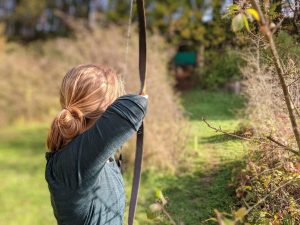
Being a bowhunter isn’t just about hunting—it’s about respect, responsibility, and a lifelong dedication to the art of archery and the great outdoors.
Equipment Needed for Bowhunting
Bowhunting requires specialized gear to ensure accuracy, efficiency, and ethical hunting. Here are the essential items every bowhunter needs:
-
Bow Types – Compound (power & accuracy), Recurve (traditional challenge), or Longbow (classic design).
-
Arrows & Broadheads – Carbon or aluminum arrows with fixed-blade or mechanical broadheads for ethical kills.
-
Bow Accessories – Sight (aiming), arrow rest (stability), stabilizer (balance), release aid (smooth shooting), quiver (arrow storage).
-
Hunting Gear – Camouflage clothing, waterproof boots, binoculars/rangefinder, and a backpack for essentials.
-
Safety & Survival – Harness (for treestands), field dressing kit, first aid kit, and a flashlight/headlamp.
Choosing the right equipment depends on hunting style, location, and personal preference. Proper maintenance and regular practice ensure that a bowhunter is always prepared for a safe and successful hunt.
Join the VI Field Archery Federation
Bowhunting is a challenging and rewarding pursuit that connects hunters with nature while promoting conservation and ethical hunting practices. Whether you’re a seasoned archer or a beginner, bowhunting hones your skills, deepens your understanding of wildlife, and fosters a strong outdoor community. Embrace the adventure, respect the sport, and experience the thrill of bowhunting!
The VI Field Archery Federation will assist you with getting the right training and certification for hunting locally and internationally.